Temperature Tracker for Shipping Cuts Cold Chain Losses


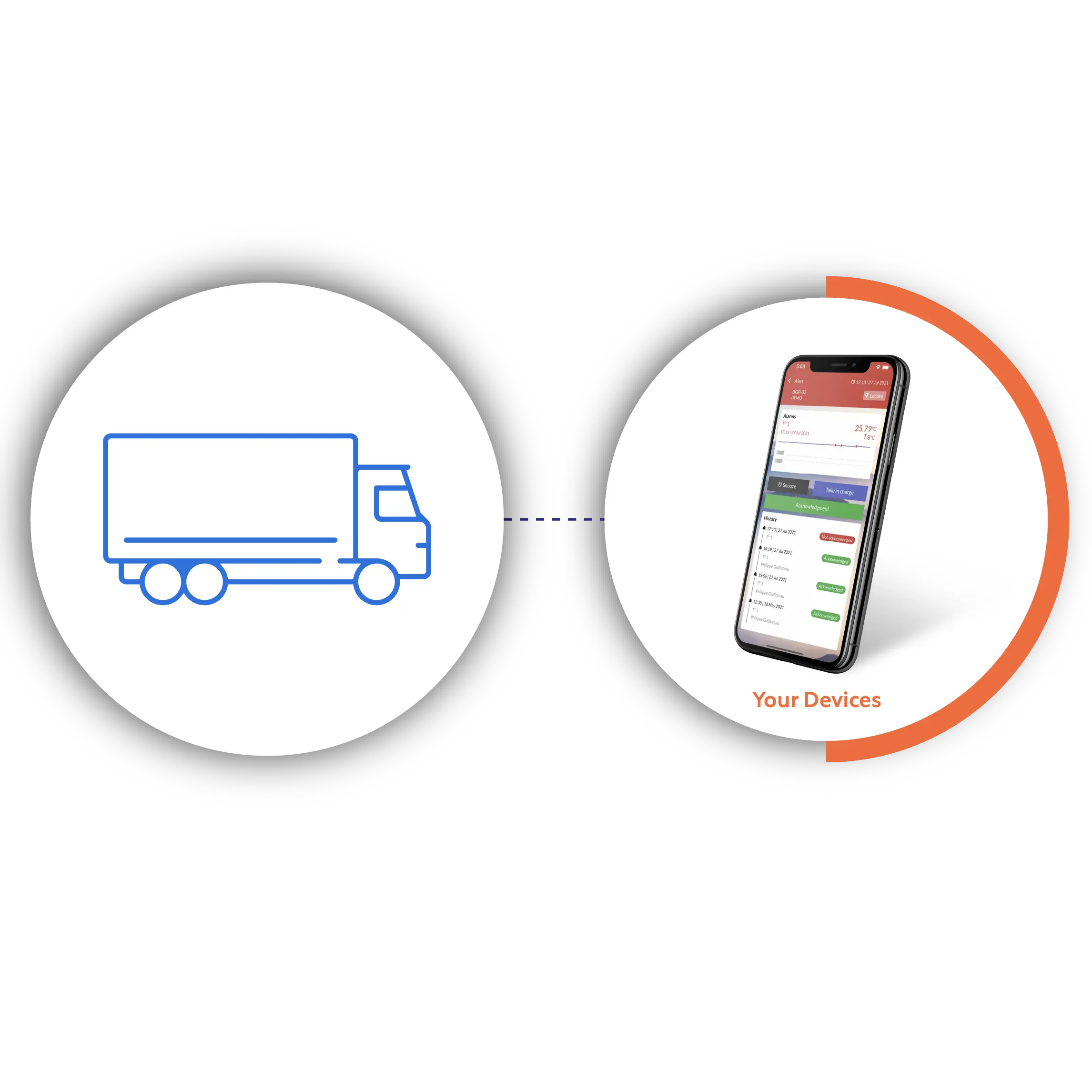
Critical deviations demand immediate response, regardless of where your team is located. MySirius transforms smartphones into powerful alert systems, delivering real-time monitoring notifications through every communication channel your team uses.
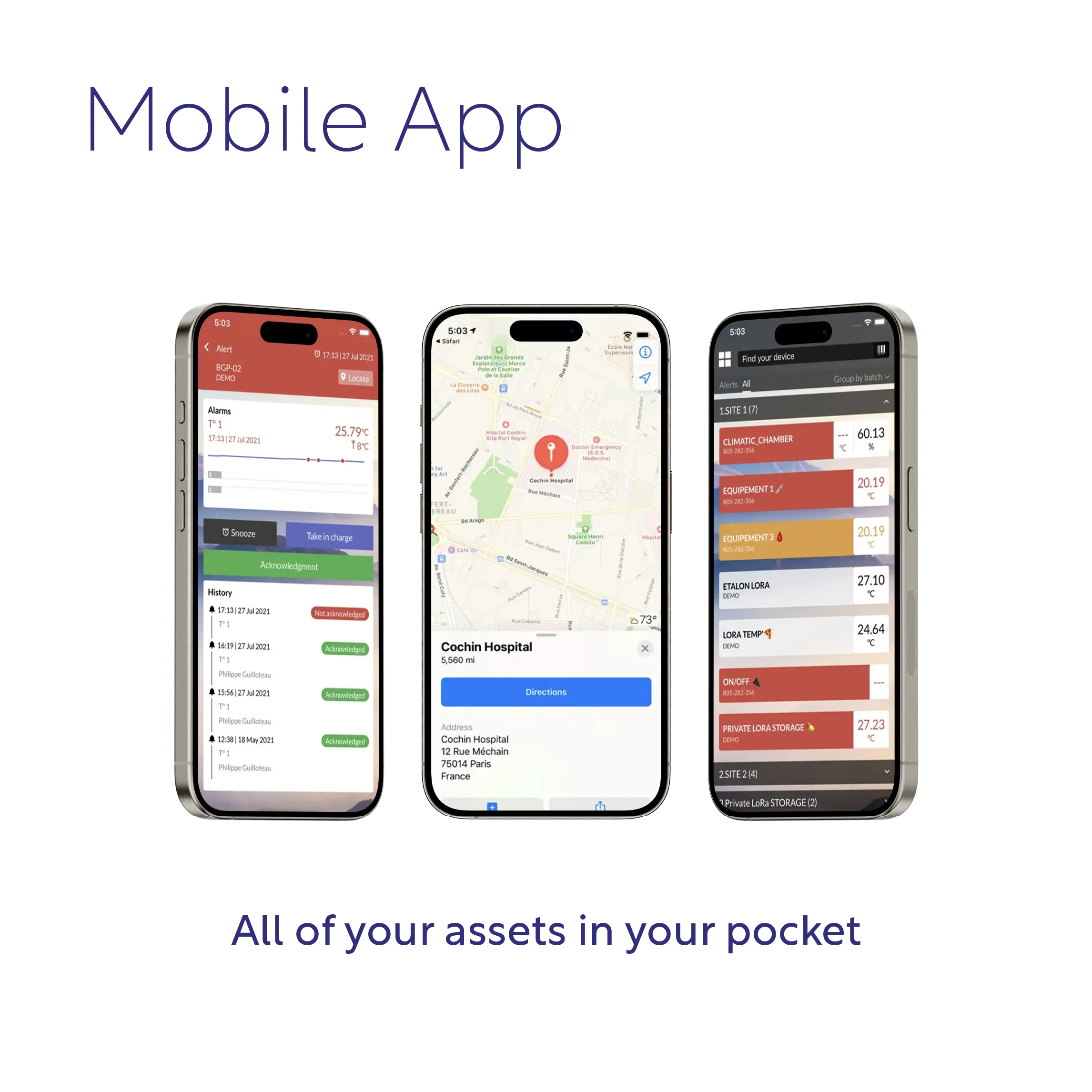
Your compliance team shouldn’t be chained to desks to monitor critical environments. MySirius ensures the right people receive the right information at the right time, enabling faster response and better outcomes when conditions deviate from acceptable ranges.
Your IT infrastructure shouldn’t dictate your monitoring capabilities. MySirius offers cloud or server-based deployment options that align with your security policies, regulatory requirements, and operational preferences.
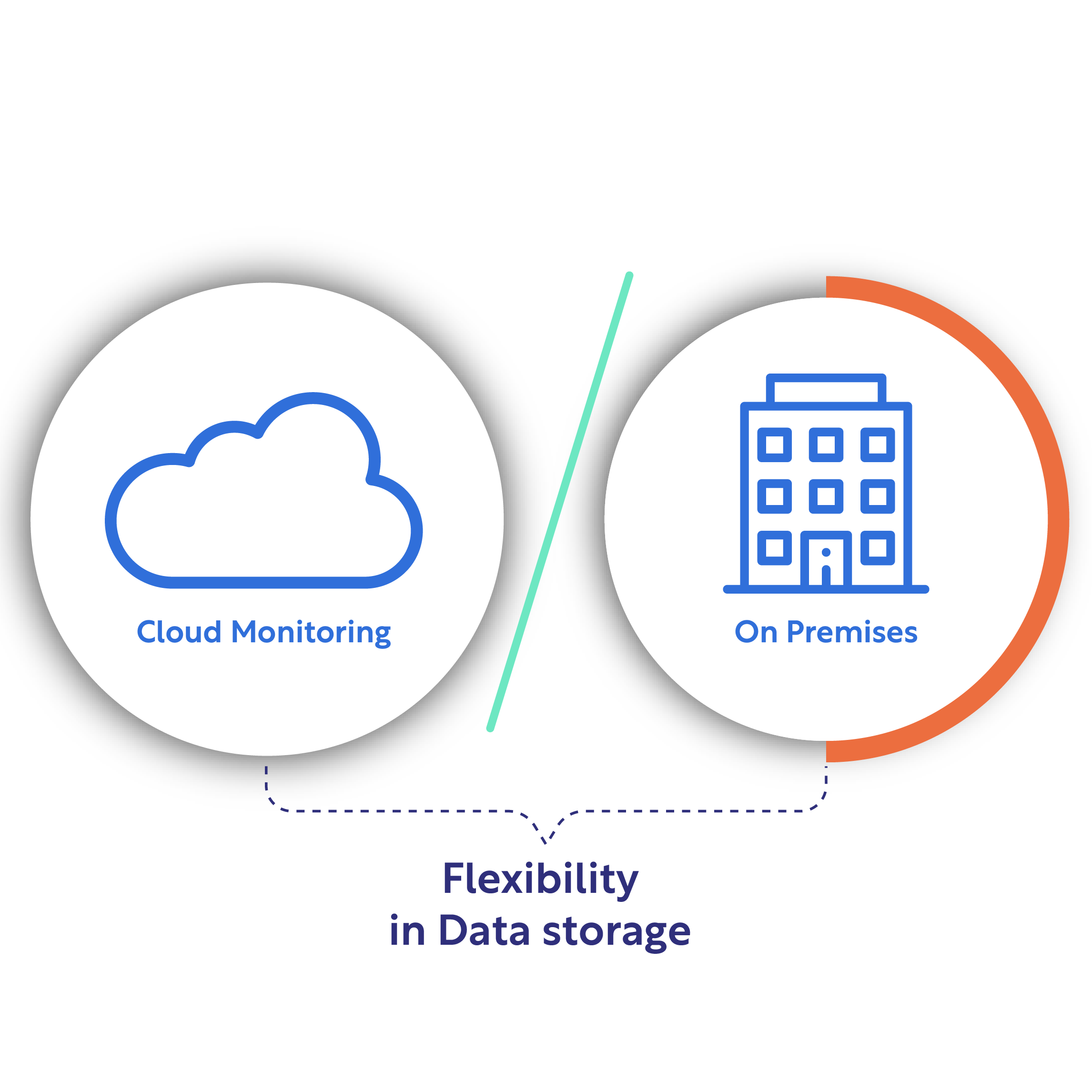
Organizations with strict data residency requirements maintain complete control with on-premises deployment, while multi-site operations benefit from cloud-based centralization. The choice is yours—the compliance capabilities remain identical.
Most monitoring systems tell you something went wrong after your shipment arrives. JRI’s GPS-enabled recorders show you problems while they’re happening, giving you time to intervene before product is lost.
This isn’t just tracking—it’s actionable intelligence that protects your products while they’re most vulnerable.






More than 15,000 companies trust us for the quality of their measurements and our support.
JRI’s Calibration Module brings ISO 17025 / COFRAC / NIST certified calibration capabilities directly into your facility. This isn’t a partnership with an external lab—it’s a complete, certified metrology system built natively into MySirius.
Instead of sending probes to an outside lab for weeks at a time (and paying premium prices for each calibration), you perform ISO-compliant calibrations in-house, on your schedule, with certificates generated automatically by the same platform that manages your monitoring.
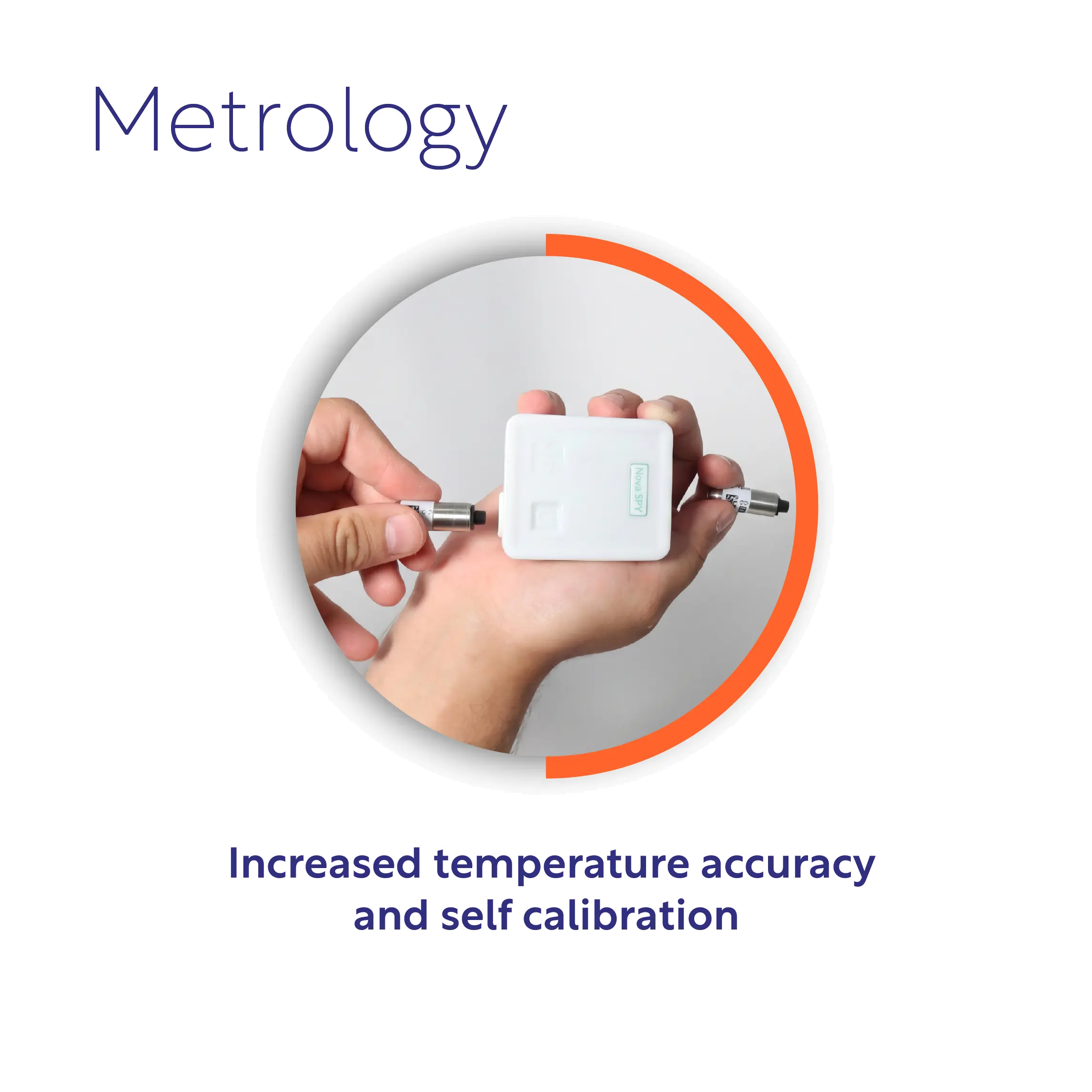
This capability transforms calibration from a costly, time-consuming compliance burden into a streamlined, in-house operation that actually strengthens your quality systems.
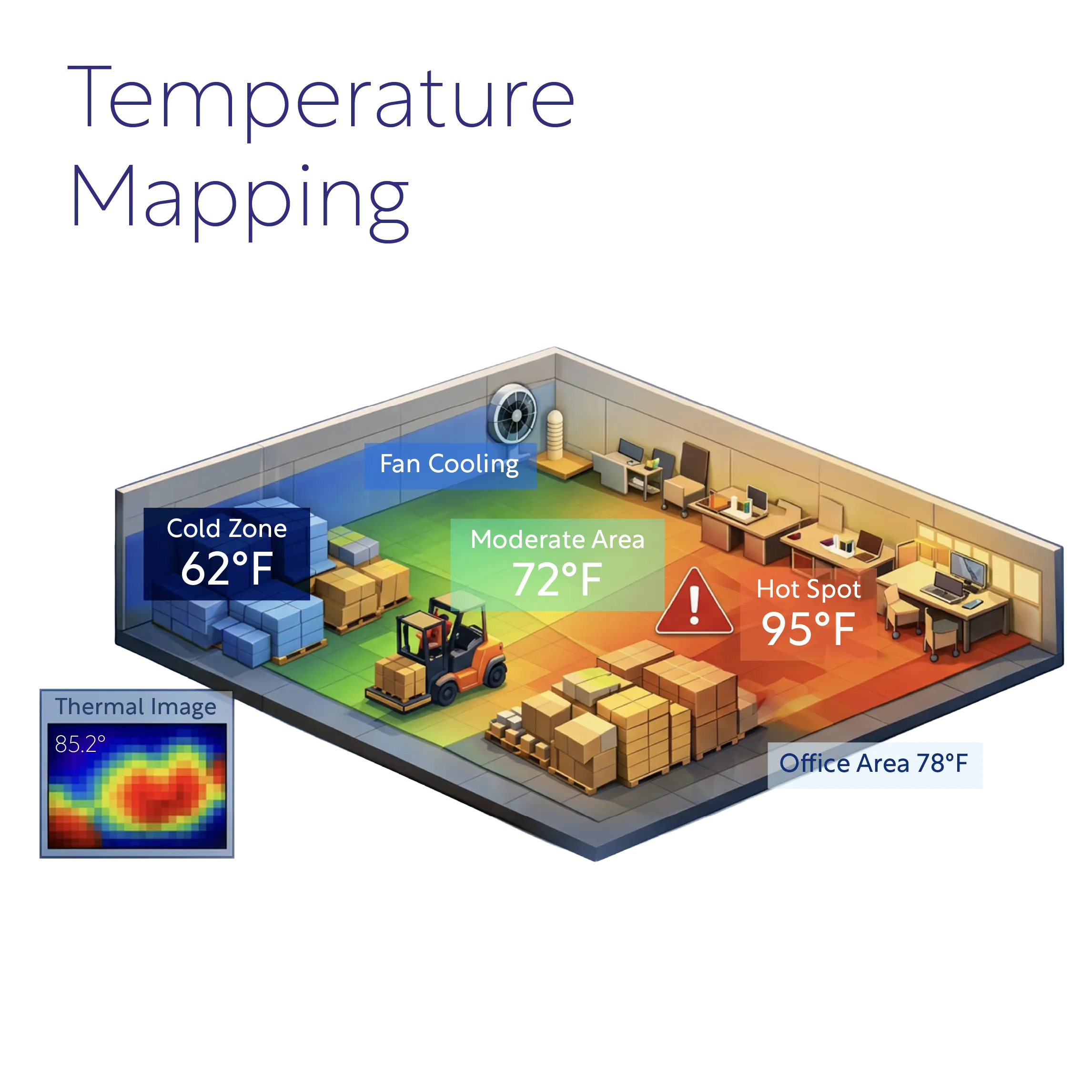
This isn’t a standalone mapping service that requires separate software, external consultants, or disconnected workflows. It’s a complete validation solution that integrates seamlessly with your existing monitoring infrastructure.
Instead of hiring third-party validation firms to perform temperature mapping studies (and waiting weeks for reports while paying premium consulting fees), you execute ISO-compliant mapping studies in-house, on your schedule, with automated reporting generated by the platform that already knows your facility inside and out.
This capability transforms temperature mapping from an expensive, periodic compliance exercise into a strategic quality tool that strengthens your understanding of environmental conditions and supports continuous improvement.
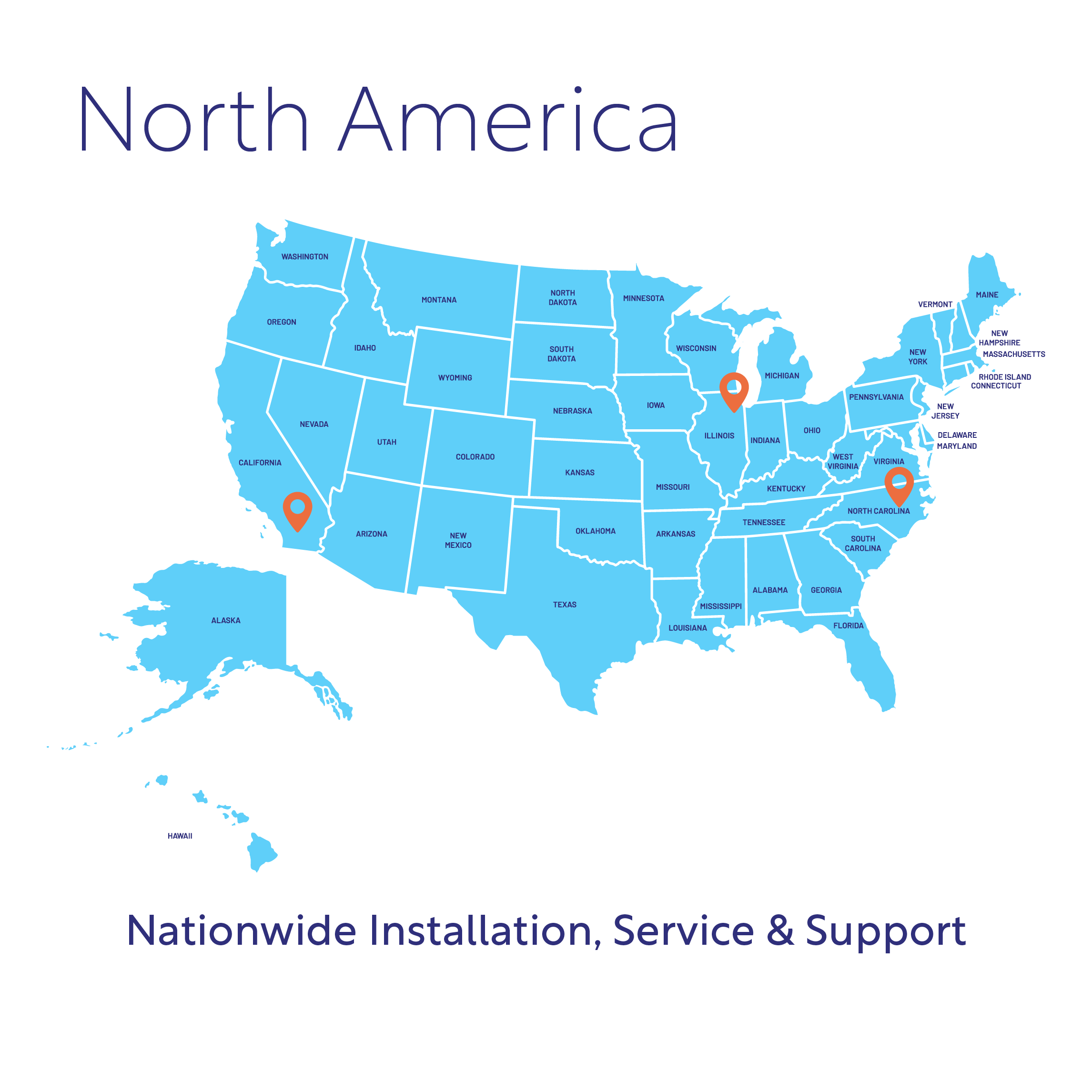
Compliance infrastructure requires more than software—it demands responsive expertise when you need it most. JRI maintains dedicated sales, service, support, deployment, and installation teams throughout North America, ensuring you receive local expertise backed by 180+ years of experience in metrology and monitoring.
Whether you’re validating a new cleanroom in California or troubleshooting an alert in Massachusetts, JRI’s North American presence ensures you’re never waiting for support from distant time zones. Our teams understand regional regulatory nuances and can coordinate multi-site deployments with precision.
How Temperature Tracking Protects Your Cold Chain

Transporting biological samples is a race against time, where every degree counts. For Biosite, a medical analysis laboratory located in the heart of Maine-et-Loire, this reality had become a constant challenge. Discover how adopting JRI’s MySirius Mobility solution transformed their operations, simplifying temperature management and strengthening traceability.
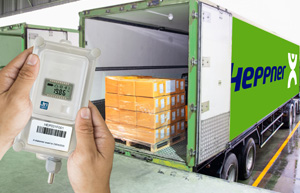
Pharmaceutical and life sciences organizations face a silent crisis: inadequate training and awareness among ground handlers, airports, and logistics providers about cold chain vulnerabilities and the frequency of temperature excursions leads to preventable errors, contributing to an estimated $35 billion in annual global pharmaceutical losses from cold chain breakdowns. The difference between product integrity and catastrophic loss often comes down to one critical factor: continuous, automated temperature tracking during transport.
Traditional manual monitoring practices create dangerous gaps in cold chain oversight. Between spot checks, temperature excursions occur undetected, compromising vaccine efficacy, pharmaceutical stability, and patient safety. Modern temperature trackers for shipping close these gaps with real-time data, automated alerts, and complete traceability, transforming cold chain management from reactive damage control into proactive product protection.
The financial impact of cold chain failures extends far beyond the immediate cost of spoiled products. When temperature-sensitive pharmaceuticals, vaccines, or biological samples experience thermal excursions during transport, the consequences cascade through the entire supply chain, from wasted manufacturing investment to delayed patient care and potential safety incidents.
The root cause often lies in human factors rather than technology limitations. Ground handlers, airport personnel, and logistics providers frequently lack comprehensive training on cold chain vulnerabilities. They may not recognize how quickly temperature-sensitive products degrade outside their required range, or how seemingly minor delays on a tarmac can trigger irreversible damage. This awareness gap creates a culture where cold chain protocols receive insufficient priority during the chaos of daily operations.

Manual monitoring practices compound the problem. When teams rely on periodic spot checks, measuring temperature at loading, unloading, or scheduled intervals, they create blind spots where excursions occur undetected. A refrigerated container might experience a compressor failure mid-flight, allow temperatures to climb for hours, then return to normal range before the next manual check. Without continuous data logging, that excursion remains invisible until product efficacy testing reveals the damage, often after distribution to end users.
The stability data gap presents another critical challenge. A 2025 peer-reviewed study found that 17% of refrigerated pharmaceutical products evaluated lacked any retrievable temperature excursion stability data, even after direct inquiry to manufacturers. When a cold chain breach occurs, healthcare providers and pharmacists face an impossible decision: discard potentially viable products at significant cost, or administer medications whose efficacy cannot be verified. This uncertainty forces conservative decisions that increase waste while undermining confidence in the entire cold chain system.
Temperature trackers for shipping address these systemic failures through automation and complete documentation. Rather than depending on human awareness and manual processes, modern tracking systems provide objective, continuous oversight that captures every thermal event, creating the evidence base needed for confident decision-making when excursions occur.
The distinction between continuous automated tracking and manual spot-check monitoring determines whether your cold chain operates with confidence or uncertainty. A 2022 simulation study on vaccine temperature monitoring found that non-continuous monitoring practices can miss significant temperature excursion events, and that min/max temperature readings add substantial value over relying solely on spot-check current temperature readings, particularly when excursions occur between manual checks.
Manual monitoring creates a fragmented temperature record. Consider a typical pharmaceutical shipment moving from manufacturer to regional distributor: a technician records temperature at departure, at airport transfer, and at destination arrival. The spot checks suggest perfect cold chain maintenance. However, a two-hour tarmac delay during the airport transfer allowed temperatures to climb well above the safe range before air conditioning restored proper conditions. Without continuous logging, this critical excursion remains invisible in the compliance record.

Automated temperature trackers for shipping eliminate these blind spots through several key capabilities:
The value extends beyond excursion detection. Continuous monitoring generates the stability data that manual methods cannot provide. When a temperature tracker documents the exact duration and magnitude of an excursion, manufacturers can reference their stability studies to determine whether the product remains viable. This evidence-based approach reduces unnecessary waste while maintaining safety standards.
For organizations managing wireless temperature monitoring for mobile assets, the difference becomes even more pronounced. Real-time connectivity adds location tracking, remote alarm management, and instant data access, transforming temperature monitoring from a passive recording function into an active management tool that enables immediate response to developing issues.
Vaccine transport represents one of the most demanding cold chain challenges, where even brief temperature excursions can compromise immunization programs and public health outcomes. In a temperature monitoring study in sub-Saharan Africa, temperature monitors were present in only 14 of 66 vaccine transporters (21%), while data loggers detected temperatures above 8°C for more than 60 minutes in 22% of refrigerators and 50% of cold boxes used to transport vaccines from national to subnational depots.
These findings reveal a critical gap between cold chain requirements and operational reality. Vaccines typically require storage within a narrow refrigerated range to preserve potency. Excursions above this range trigger progressive degradation, the longer and more severe the temperature deviation, the greater the loss of immunological effectiveness. For vaccines moving through multi-stage distribution networks, each transport leg presents another opportunity for thermal compromise.
Real-time temperature tracking transforms this vulnerability into manageable risk through several mechanisms. When transport vehicles carry wireless temperature sensors connected to cloud platforms, logistics managers gain continuous visibility into cargo conditions regardless of location. If a refrigeration unit fails during a long-haul journey, automated alerts notify the team immediately rather than hours later when the driver completes the route. This early warning enables intervention, rerouting to the nearest facility with cold storage, dispatching emergency refrigeration, or prioritizing delivery to minimize time at unsafe temperatures.
The mobility advantage extends to complex distribution scenarios. Pharmaceutical products often move through multiple custody transfers: manufacturer to freight forwarder, freight forwarder to airline, airline to ground handler, ground handler to regional distributor, distributor to healthcare facility. Each handoff introduces risk. With cold chain transport monitoring solutions that track both temperature and location, organizations maintain unbroken oversight across all these transitions.
Consider the practical application in vaccine distribution. A regional health department receives an immunization shipment at its central depot, then redistributes doses to rural clinics via smaller transport vehicles. Traditional approaches might place a basic data logger in each shipment, requiring manual download and analysis after delivery. By that point, any temperature excursions have already occurred, and decisions about product viability happen retrospectively.

Real-time tracking reverses this timeline. As transport vehicles move toward rural clinics, the health department monitors cargo temperatures remotely. If an excursion occurs, the team can immediately contact the driver, assess the situation, and make informed decisions, whether to continue delivery for immediate use, return the shipment to the depot, or redirect to a closer facility. This proactive approach prevents the distribution of compromised vaccines while minimizing waste through rapid response.
The stability data advantage proves equally valuable. When excursions do occur despite best efforts, comprehensive temperature records enable evidence-based decisions about product disposition. Rather than discarding entire shipments based on uncertainty, teams can reference manufacturer stability data against the documented excursion profile to determine whether products remain within acceptable parameters for use.
Real-world implementations demonstrate how temperature tracking technology translates into operational improvements and regulatory compliance. Organizations across pharmaceutical, medical, and life sciences sectors have deployed mobility-enabled monitoring systems to strengthen their cold chain infrastructure.
The Biosite case study illustrates how medical laboratories modernize sample transport operations. Biosite, a medical analysis laboratory in France, faced the challenge of maintaining and documenting correct temperatures while moving biological samples between collection points and analysis labs. The laboratory needed monitoring it could rely on for traceability and regulatory compliance.

Biosite adopted JRI’s MySirius Mobility solution to monitor sample transport in real time, using Nano SPY recorders paired with the SPY LINK communication module. The SPY LINK light strip gives technicians an immediate visual warning when an alarm is active, while the MySirius platform centralizes the temperature data and traceability records in one interface.
The implementation simplified temperature management across Biosite’s transport operations and strengthened the traceability of its biological samples. Onboarding was fast because the MySirius application shares similarities with the Labguard software the team already used, and more of the laboratory’s technicians now connect to and use the platform day to day.
“We quickly found our feet in the JRI-MySirius application because it shares several similarities with the Labguard software. It is intuitive to use, and more of our technicians are connecting to it,” explains Benoit Lancelin, Pharmacien Biologiste at Biosite. “From a hardware perspective, we also appreciate that the Nano SPY LINK light strip warns of an ongoing alarm.”
The Biosite implementation demonstrates several deployment best practices. First, the organization selected technology that integrated with existing workflows rather than requiring complete process redesign. The visual alarm indicators provided immediate feedback to technicians without requiring constant platform monitoring. The centralized data management simplified compliance documentation by consolidating temperature records from multiple transport routes into a single accessible system.
Multi-site pharmaceutical operations face additional complexity when coordinating cold chain management across geographically distributed facilities. Organizations operating manufacturing sites, distribution centers, and clinical trial locations must maintain consistent temperature monitoring standards while accommodating local operational variations. Mobility-enabled temperature trackers for shipping address this challenge through cloud-based platforms that provide centralized visibility with local operational flexibility.
Global pharmaceutical networks leverage these capabilities to maintain cold chain integrity across international shipments. When temperature-sensitive products move between continents, they traverse multiple climate zones, regulatory jurisdictions, and logistics providers. Real-time tracking systems equipped with location monitoring document not just temperature conditions but also geographic progress, enabling supply chain teams to correlate thermal events with specific handling activities or transit stages.
The compliance advantage proves particularly valuable during regulatory audits. Rather than assembling temperature records from multiple disconnected sources, paper logs, standalone data loggers, email reports, organizations with integrated monitoring platforms generate comprehensive audit trails automatically. Auditors can review complete shipment histories, verify alarm response protocols, and confirm continuous temperature control without requiring extensive manual documentation compilation.
Selecting appropriate temperature monitoring systems requires matching technology capabilities to your specific cold chain requirements, operational constraints, and regulatory obligations. The decision framework should evaluate several critical dimensions.
Wireless connectivity determines real-time visibility. Temperature trackers for shipping range from standalone data loggers that store information locally to wireless sensors that transmit data continuously via cellular, LoRaWAN, or satellite networks. Standalone loggers offer simplicity and lower cost but require physical retrieval for data access, creating delays between excursion events and response. Wireless systems provide immediate alerts and remote monitoring but involve higher equipment costs and ongoing connectivity fees.
For high-value or time-sensitive shipments, vaccines, biologics, clinical trial materials, wireless connectivity typically justifies the additional investment through faster excursion response and reduced product loss. For routine shipments with established cold chain reliability, data logging temperature recorders may provide adequate documentation at lower operational cost.
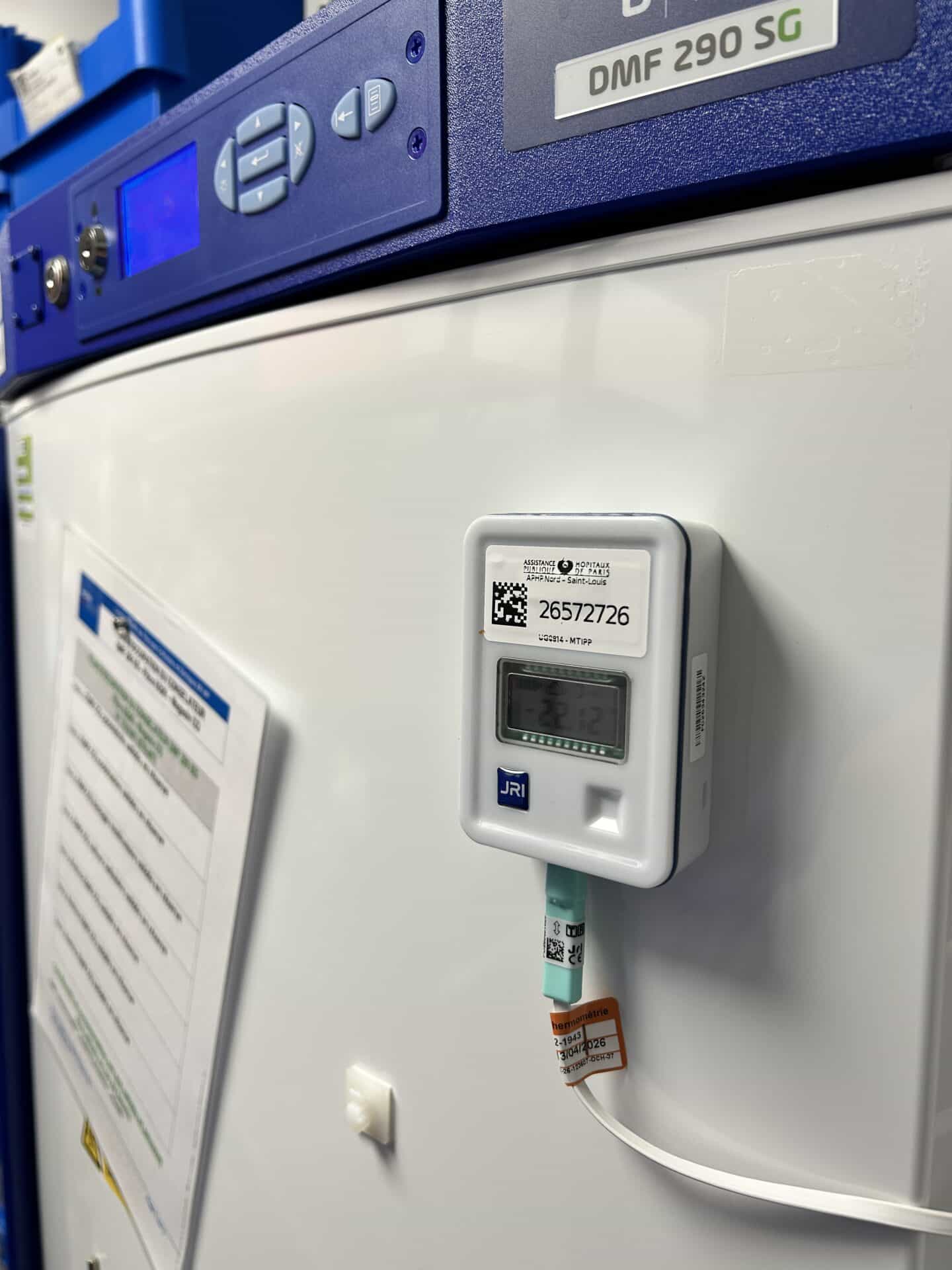
Data logging capabilities affect compliance documentation. Consider these essential features:
Alarm management determines response effectiveness. Temperature trackers for shipping should provide multiple alarm mechanisms suited to your operational model. Visual indicators (LED lights, display warnings) alert personnel during loading, unloading, and custody transfers. Audible alarms draw attention in busy warehouse or loading dock environments. Remote notifications (email, SMS, platform alerts) enable response when shipments are in transit beyond direct observation.
Configurable alarm thresholds allow customization for different product requirements. Vaccines requiring refrigerated storage need different alarm settings than frozen biological samples maintained at deeply sub-zero temperatures. Multi-stage alarms, warning alerts when approaching limits, critical alerts when exceeding limits, provide graduated response opportunities before products reach unsafe conditions.
Location tracking enhances supply chain visibility. GPS-enabled temperature trackers document not just thermal conditions but also geographic position, enabling correlation between excursions and specific handling events. When a shipment experiences a temperature spike, location data reveals whether it occurred during airport transfer, warehouse storage, or final delivery, guiding corrective action and process improvements.
For organizations managing complex distribution networks, wireless sensor gateway technology enables cost-effective monitoring at scale. Gateways collect data from multiple low-power sensors and transmit consolidated information via cellular or internet connections, reducing per-shipment connectivity costs while maintaining real-time visibility.
Integration capabilities streamline operations. Temperature monitoring systems should connect with existing supply chain infrastructure, transportation management systems, warehouse management platforms, quality management software. API access, standardized data formats, and automated reporting reduce manual data handling while improving accuracy. Cloud-based platforms enable access from multiple locations and devices, supporting distributed teams managing global cold chains.
Calibration and metrology support regulatory compliance. Temperature sensors require periodic calibration to maintain accuracy. Systems with built-in calibration tracking, automated scheduling, and certificate management simplify this compliance requirement. Organizations with in-house metrology capabilities benefit from platforms that support their calibration workflows, while those outsourcing calibration need systems compatible with third-party calibration services.
The Calibration Module within comprehensive monitoring platforms provides ISO 17025 compliant calibration workflows, automated certificate generation, and calibration scheduling that ensures sensors remain within specification throughout their service life.
Temperature mapping validates transport environments. Beyond individual shipment monitoring, organizations should periodically validate their transport vehicles, containers, and packaging systems through comprehensive temperature mapping studies. The Temperature Mapping Module enables systematic qualification of transport equipment, documenting temperature distribution under various load configurations and environmental conditions.
This validation data informs packaging design, loading procedures, and seasonal operational adjustments, creating a foundation of thermal performance knowledge that enhances day-to-day monitoring effectiveness.
The difference between cold chain confidence and costly product loss comes down to visibility, automation, and complete documentation. Manual monitoring practices create the blind spots where vast amounts of pharmaceutical value disappear annually. Temperature trackers for shipping close these gaps through continuous data logging, real-time alerts, and comprehensive traceability that transforms cold chain management from reactive damage control into proactive product protection.
JRI delivers the essential compliance infrastructure that regulated environments demand, combining in-transit GPS tracking, built-in metrology and calibration, and temperature mapping capabilities that competitors cannot match. Our MySirius Mobility platform provides the real-time visibility, automated documentation, and mobile accessibility that strengthen cold chain operations across pharmaceutical, medical, and life sciences organizations.
Whether you’re moving vaccines between national depots and rural clinics, transporting biological samples across collection networks, or managing pharmaceutical distribution through complex multi-site operations, JRI’s temperature monitoring solutions provide the foundation for reliable cold chain performance.
Contact our team to discuss how temperature tracking technology can reduce product loss, simplify regulatory compliance, and strengthen cold chain integrity across your shipping operations.
Most refrigerated pharmaceuticals and vaccines require continuous storage within a narrow refrigerated range during transport. Frozen biological products typically require storage at significantly sub-zero temperatures, while certain specialized products demand ultra-low temperatures for preservation. Specific requirements vary by product, always consult manufacturer specifications and stability data to determine appropriate temperature ranges for your shipments.
Response urgency depends on excursion severity and product stability characteristics. For shipments approaching but not yet exceeding temperature limits, teams may have hours to implement corrective action. Once products exceed safe temperature ranges, response should begin immediately, within minutes for high-value or critical shipments. Real-time monitoring systems enable this rapid response by delivering instant alerts when excursions occur, rather than discovering problems hours later during manual checks.
Yes, when temperature monitoring systems meet regulatory requirements for data integrity, calibration, and audit trail completeness. Systems complying with 21 CFR Part 11 for electronic records provide the documentation rigor required by FDA and other regulatory bodies. The temperature data, alarm records, and chain of custody documentation generated by compliant systems serve as primary evidence during regulatory inspections and product release decisions.
ROI varies based on shipment volume, product value, and current cold chain failure rates. Organizations typically achieve payback within 6-18 months through reduced product loss, decreased compliance labor, faster excursion response, and improved audit readiness. A single prevented vaccine shipment loss can justify the monitoring system investment, while the cumulative benefits of improved cold chain visibility deliver ongoing value through operational efficiency and risk reduction.
Modern wireless temperature trackers for shipping use multiple connectivity technologies to maintain coverage across diverse geographic regions. Cellular-enabled devices switch between network providers automatically as shipments cross borders. LoRaWAN sensors connect to regional gateway networks in areas with coverage. For remote regions or air cargo, satellite-connected trackers provide global coverage independent of terrestrial infrastructure. Multi-mode devices combine these technologies, selecting the best available connection method based on current location.
Need to talk to a JRI expert about your measurement project?
Find the best solution for your business. Contact a JRI Expert today.